Institutional investors are reassessing their valuation criteria to integrate the carbon trajectory of tertiary assets. Environmental certifications no longer solely guarantee the attractiveness of a new or renovated building. New models are emerging, where profitability depends on the ability to combine architectural innovation and ecological responsibility.
In Montpellier, several recently completed mixed-use projects are already anticipating these unprecedented requirements, relying on a logic of intensive use and circular economy. Trade shows are accelerating the dissemination of these standards, profoundly transforming the programming of urban projects by 2026.
Mipim Cannes 2026: what advancements for more sustainable architecture?
On the Croisette, the tension is rising. The real estate market is facing the environmental imperatives head-on. Regulations are tightening, and society is pushing. As Mipim Cannes 2026 approaches, the question is no longer whether to change, but how: combining profitability, innovative architecture, and ecological transition becomes the new equation to solve. The term resilient city is becoming essential, going beyond mere label display to push for a complete overhaul of construction methods.
Many projects highlighted this year illustrate this change in direction. Here are the major axes that are emerging:
- the reduction of carbon footprint from the design stage,
- the reuse of materials in city centers,
- the modularity of spaces to accommodate evolving uses,
- better energy management of tertiary and residential buildings.
Through the theme mipim cannes 2026 and sustainability, the reflection opens up to the regeneration of existing structures. Urban planners, architects, and developers are now prioritizing controlled densification over sprawl. Issues of housing and land scarcity, especially in city centers, are at the heart of discussions. Several stakeholders emphasize the need to unite local authorities, investors, and professionals to bring about truly sustainable projects that can meet both climate demands and social needs. Each operation must fit into this dynamic of real estate performance, without compromising on ecology or quality of life.
Montpellier in the spotlight: focus on recent projects and their environmental impact
Montpellier is taking the lead. The city is multiplying large-scale projects to rethink its urban fabric, directly addressing social and environmental challenges. In the Cambacérès district, the new wave of construction is showing the way. Hundreds of student and social housing units are being created, accompanied by shared and open spaces. The buildings focus on energy efficiency, local materials, reuse, and optimized rainwater management.
Social diversity is combined with heritage preservation while promoting new solutions. The construction sites, conducted with particular care for carbon impact, prioritize sober volumes, gentle circulation, and increased greening. Interactions with local residents are multiplying to involve the community and ensure the appropriation of these new uses.
Three key levers stand out in recent operations:
- Low carbon construction: widespread use of low-impact concrete and dry processes.
- Adapted housing: modularity of spaces to anticipate demographic changes.
- Shared spaces: community gardens, green roofs, social gathering places.
Montpellier thus asserts a clear choice: to maintain a balance between heritage and modernity. Each project aims to strengthen urban cohesion without sacrificing ecological ambition, with quality of life as the guiding principle, far from purely quantitative densification.
Towards eco-responsible real estate: what trends and challenges for industry players?
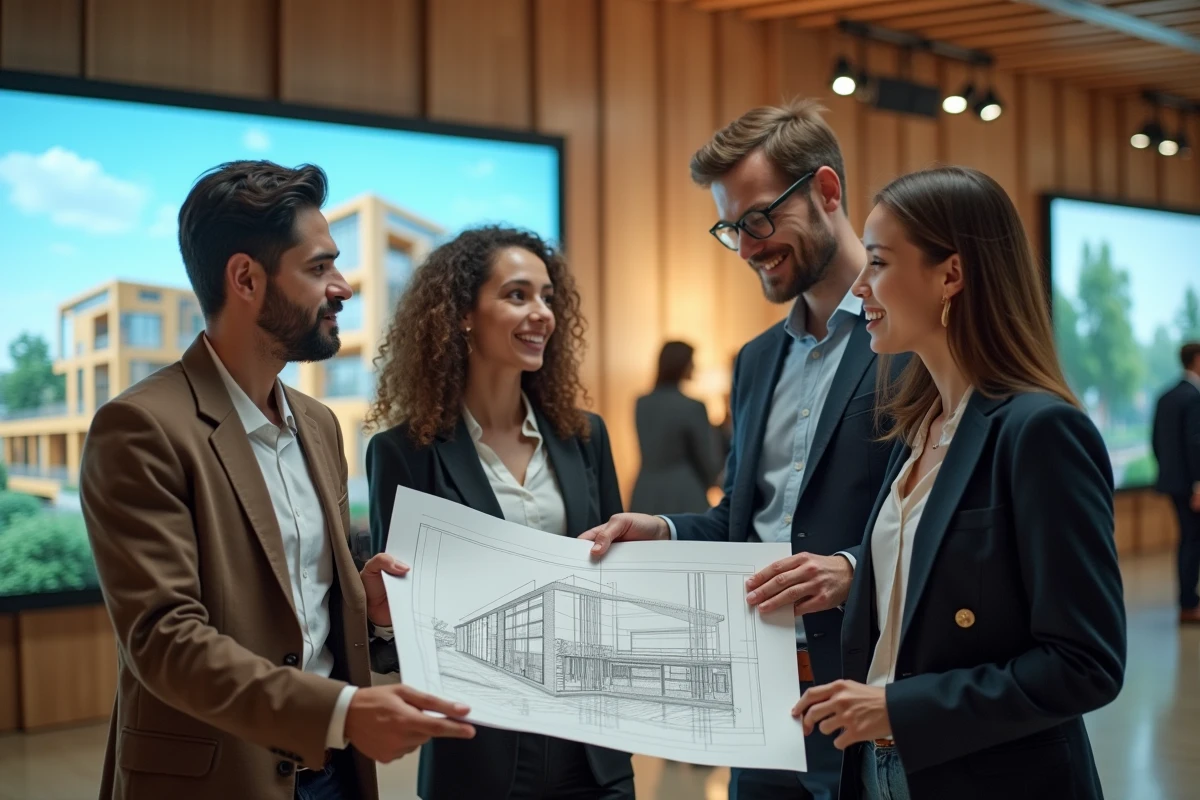
The landscape has changed for the real estate sector. In the face of climate urgency and societal pressure, developers and investors are reevaluating real estate performance through the lens of eco-responsibility. It is now about building differently, inventing a more sustainable city, and moving away from the model of energy-hungry buildings. Mixed-use is gradually becoming the norm, challenging the old boundaries of urban planning and architecture.
Professionals engaged in the transformation of heritage are navigating a minefield: increasingly strict regulations, dwindling land availability, and the need to bring vacant housing back to market. Bio-sourced materials, intelligent energy management, modularity: these solutions are becoming essential, but their widespread adoption faces high initial costs and still-evolving supply chains.
Investors are now turning to projects that can combine utility value and environmental performance. Attention is focused on city centers, whether it involves renovating an aging existing stock or creating vibrant and multifunctional ZAC cores that can combine services, housing, and green spaces. To successfully navigate this shift, collective mobilization will be necessary, moving beyond short-term profitability logic and committing to a profound transformation, in favor of a more sustainable, more open city, resolutely looking towards tomorrow.