A successful trip is not just about a list of monuments hastily photographed. What stays in memory are the activities that made you feel something new: an unexpected silence, an unknown flavor, a physical effort in a setting you hadn’t imagined. Memorable travel activities share a common point: they place you in a context where your usual references no longer work.
Travel Activities and Local Impact: What Your Spending Really Funds
Have you ever noticed that two similar excursions can have very different effects on the destination? A kayaking trip organized by a local cooperative and the same trip sold by an international tour operator do not redistribute revenue in the same way.
According to the Booking.com Sustainable Travel Research 2025 report shared by the CBI, 73% of travelers want their spending to benefit the host community. This figure reflects a concrete expectation. Before booking an activity, check who manages it: a family-run business, an association, or a licensed independent guide.
The issue goes beyond a symbolic gesture. A pottery workshop led by a craftsman in a village in southern France generates direct income, without intermediaries. A hike accompanied by an active shepherd teaches you as much about the landscape as it does about pastoral economics. Exploring the activities offered by Azami Voyage allows you to identify experiences designed with this logic, where the traveler participates in the life of the territory rather than just skimming over it.
Overtourism: Adapting Activities to New Rules
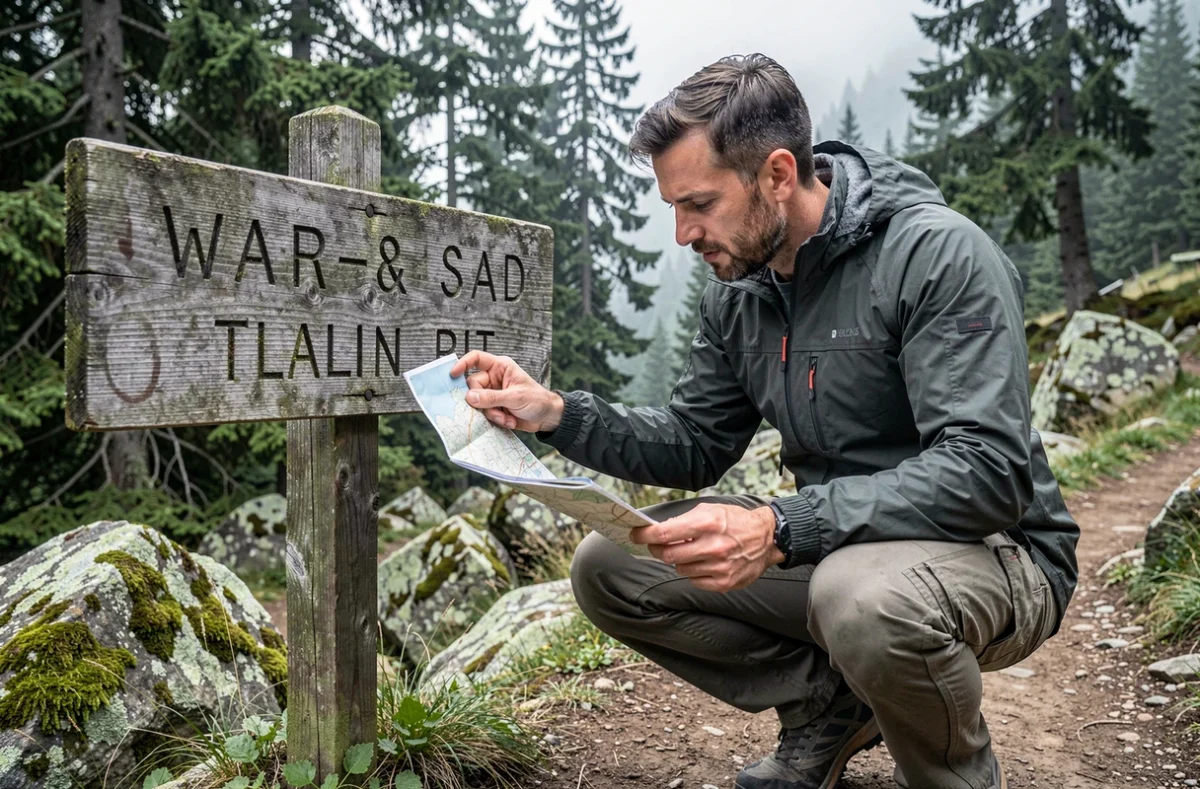
Popular destinations no longer operate as they did ten years ago. Several sites have implemented visitor caps, mandatory time slots, entry fees, or access restrictions. An article from ABC News published in September 2026 documents these measures in several countries.
Booking in advance is no longer an option; it is a regulatory requirement at many natural and cultural sites. Ignoring these rules risks finding yourself in front of a closed door after hours of travel.
Three Reflexes Before Planning an Activity in a Highly Visited Area
- Check if the site imposes a daily quota or a time slot. Some natural parks in France and Europe now limit the number of simultaneous entries.
- Inquire about local tourist taxes, which may be added to the displayed price of the activity. They generally serve to fund the maintenance of the site.
- Opt for off-peak hours (early morning or late in the day). The experience changes radically when you are not overwhelmed by the crowd.
These constraints are not obstacles. They protect the landscapes and the quality of the experience for those who prepare for it.
Accessibility of Travel Activities: A Criterion Too Often Ignored
Most activity selections present their suggestions as accessible to all. In reality, this is rarely the case. An analysis published by AARP in 2026 indicates that 29% of American adults aged 50 and older travel with a disability or physical limitation. This phenomenon also affects families with young children, people in recovery, or simply travelers who do not engage in any sports activities.
Before choosing an activity, ask yourself practical questions. Is the site wheelchair accessible? Does the route have unmarked elevation changes? Are there accessible restrooms on site? Is specific assistance offered?
An activity well-documented for its accessibility inspires more confidence than one sold as “for all levels” without specifics. If the organizer cannot clearly answer these questions, it is a warning sign.
Immersive Cultural Experiences: Going Beyond the Role of Spectator
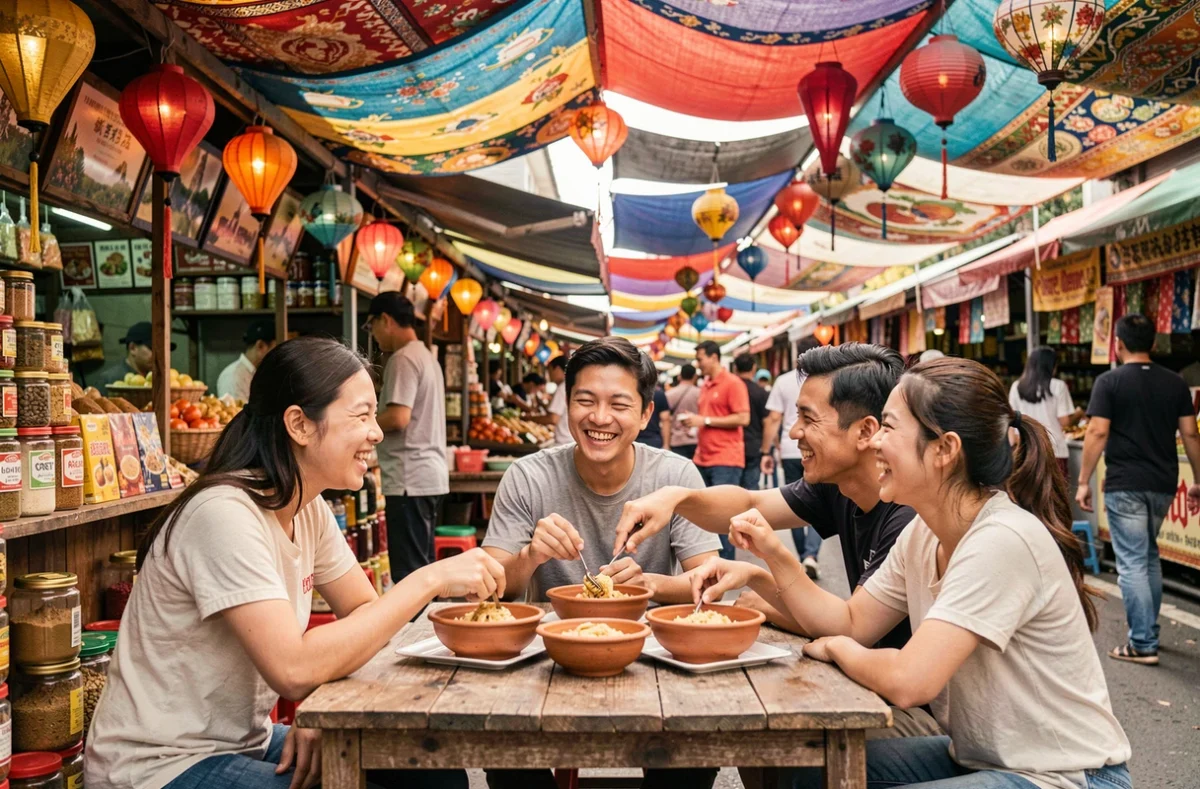
Attending a traditional dance performance and learning three steps with the dancers are two fundamentally different experiences. The first leaves you with a visual memory. The second alters your understanding of the gesture, the rhythm, and the cultural context.
The same Booking.com report mentions that 77% of travelers wish to experience authentic local culture. This desire translates into activities where you participate: cooking a regional dish with a family, harvesting olives during the season, restoring a dry stone wall during a participatory project.
Staying in France or Abroad: Formats That Work Everywhere
In France, immersive experiences abound. Participatory grape harvests in autumn, beekeeping workshops in the Cévennes, traditional navigation on the canals of the Midi. These activities require no prior skills, just the willingness to slow down.
Abroad, the logic remains the same. A pottery class in Japan, a day of fishing with coastal communities in Portugal, an introduction to weaving in Peru. The common thread is always the same: learning a local gesture through practice.
This type of activity creates a connection that passive visits do not allow. You leave with a skill, even if embryonic, that anchors the memory in your bodily memory.
Nature Holidays: Choosing Activities Suited to the Landscapes
A stay in the mountains does not call for the same activities as a week by the sea or a weekend in the forest. Adapting the activity to the landscape seems obvious, but many travelers replicate the same patterns regardless of the environment.
- In the mountains, hiking remains relevant, but wildlife observation with a naturalist guide or a geology outing offers a different perspective on the same terrain.
- By the sea, snorkeling or sea kayaking allows you to discover an ecosystem invisible from the beach.
- In the forest, a guided silent walk (sometimes called “forest bathing”) transforms a simple stroll into a sensory experience.
The landscape dictates the activity, not the other way around. Starting from a place and seeking what it naturally offers creates more memorable experiences than imposing a standardized activity on any destination.
The trips that stick in your mind are rarely those where everything went as planned. They are the ones where an activity surprised you, unsettled you, or taught you something you weren’t looking for. Choosing your activities carefully, considering local impact, accessibility, and the terrain, gives you the means to experience such moments.