A lemon tree can display dull and tired leaves without any pests at work or any disease setting in. Sometimes, it only takes irregular watering or water that is too rich in lime to see this persistent yellow appear, often mistakenly attributed to a simple deficiency.
Some fertilizers intended to strengthen the lemon tree end up exacerbating the problem if the soil is already overflowing with minerals. Observing yellow spots does not systematically indicate an infection; it is often a subtle imbalance between moisture, light, and soil quality.
Why lemon tree leaves turn yellow: understanding the main causes
The lemon tree (Citrus limon) belongs to the citrus family, but it becomes demanding as soon as the slightest parameter of the soil or environment goes awry. The yellowing of leaves never occurs randomly. It reflects a complex symptom that generally betrays deficiencies or an inadequate environment.
A lack of nitrogen manifests as yellowing in the oldest leaves, while a magnesium deficiency creates pale areas between the veins. Too much moisture near the roots leads to rot, with leaves yellowing and then falling. Poorly draining soil exposes the lemon tree to multiple vulnerabilities. Fungal diseases like gummosis, root rot, or scab settle in due to excess water and persistent humidity. On the bacterial side, citrus canker or yellow dragon disease leaves yellow foliage and misshapen fruits.
On the pest side, Asian psyllids, scale insects, and whiteflies suck the sap, causing discoloration and leaf drop. Repeated attacks weaken the lemon tree, opening the door to viruses like tristeza or exocortis, which lead to slow decline.
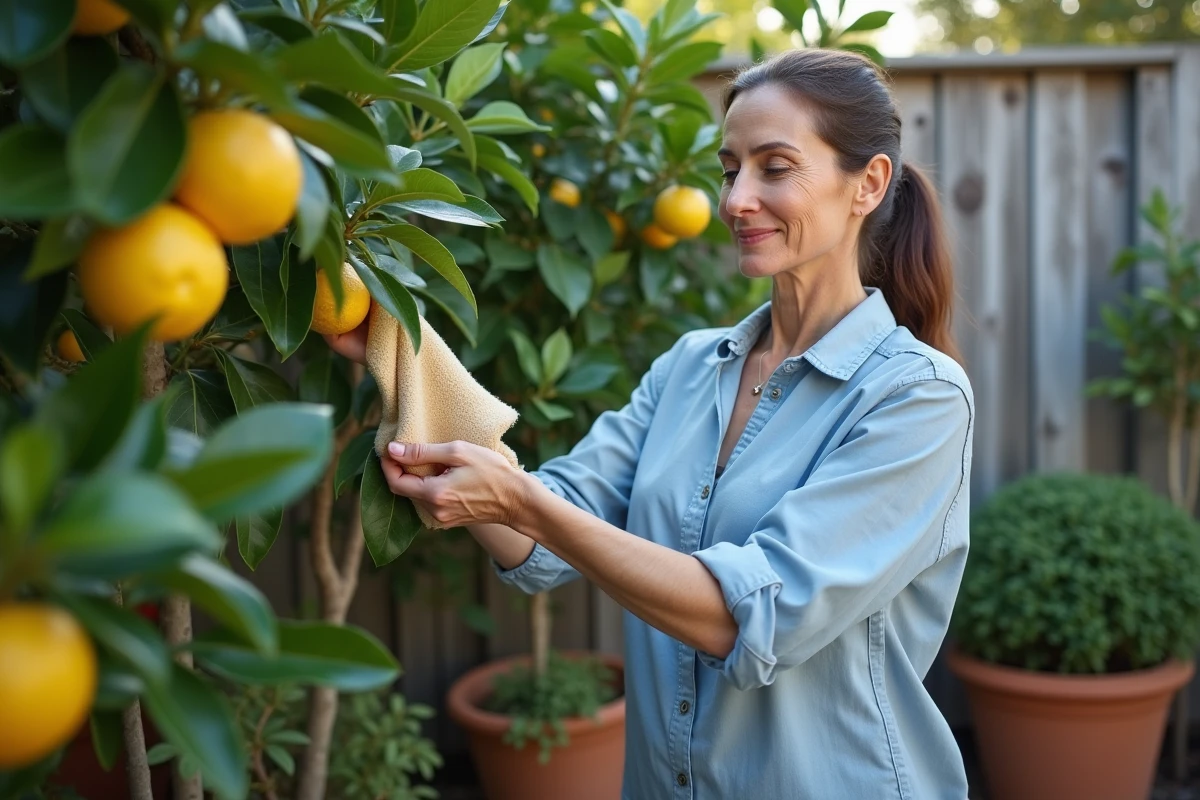
Preventive action relies on a few reflexes: mastering watering, adjusting fertilization, and observing warning signs. Cleaning lemon tree leaves, a gesture often neglected, reduces the spread of pathogens and gives the foliage every chance, as detailed in the resource “Easily clean lemon tree leaves without damaging them.” The health of the lemon tree depends on the precision of these actions and the ability to react at the slightest alert.
How to recognize a suffering lemon tree and avoid common mistakes
The lemon tree quickly displays its distress signals. The symptoms can be read in the foliage: clear yellowing, white or powdery spots, leaves curling, sometimes a sticky texture caused by insects. The early dropping of fruits or the appearance of lesions on the stems reveals a fungal or bacterial attack. Some varieties, particularly the 4-season lemon tree or Meyer, react to the slightest excess of water or poorly measured fertilization.
Observe the base of the trunk: gum crusts or cracks signal a progressing disease. A constantly waterlogged soil or a poorly drained pot promotes root rot. Using non-disinfected tools, inappropriate pruning, or excessive watering are classic mistakes that are best avoided.
Here are three measures to apply to limit deviations:
- Always clean your tools before each intervention.
- Check the composition of the substrate: waterlogged soil deprives the plant of oxygen.
- Adjust watering according to the season, with spaced applications during the winter period.
Regularly observing the foliage, adjusting watering, and providing a balanced fertilizer for citrus are the foundations of good prevention. Rotating the pot to better distribute watering and using rainwater, which is less aggressive than lime water, helps indoor citrus maintain their vitality. These actions, combined with careful monitoring, sustainably reduce the risks of diseases and insect attacks.
Natural tips and simple actions to clean leaves and preserve their vitality
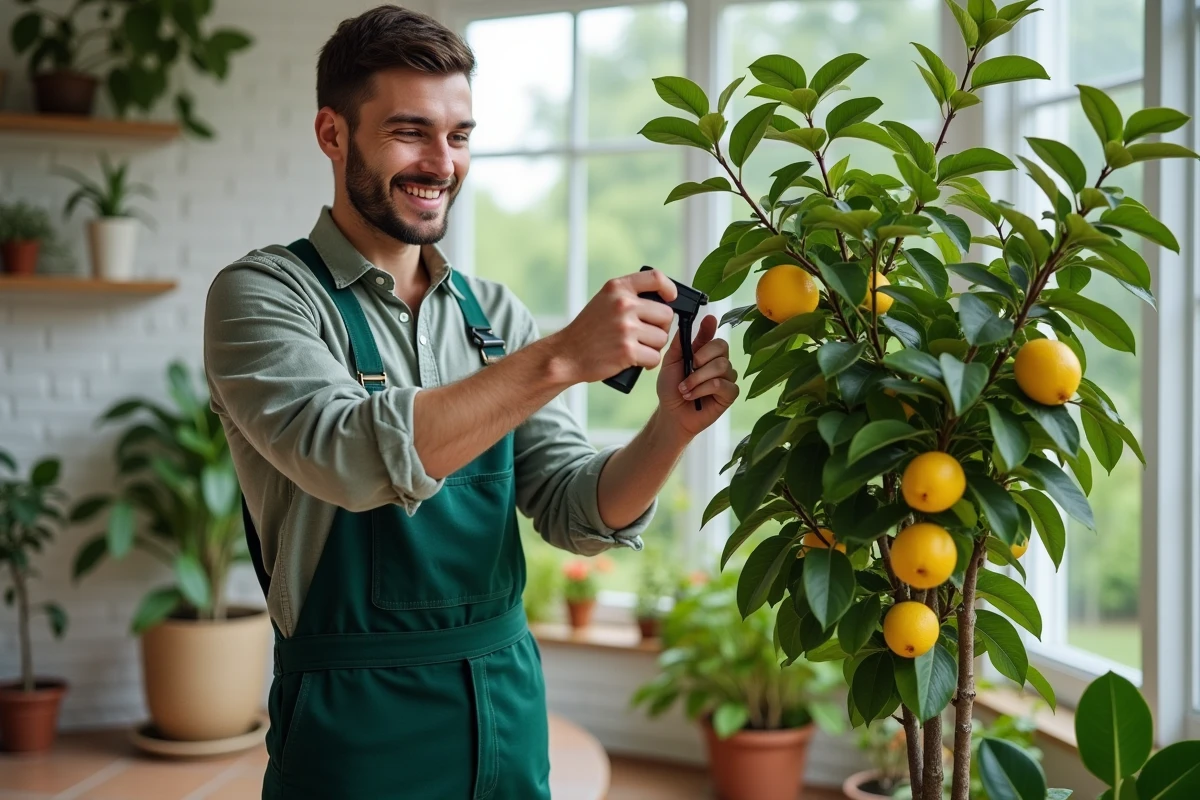
Cleaning the leaves of the lemon tree limits the accumulation of dirt, lime deposits, or honeydew secretions. A soft cloth soaked in rainwater is often enough to restore shine. Use lukewarm water and proceed gently to preserve the fragile surface of the leaves. To tackle impurities and repel aphids or other insects, prepare a dilution of black soap (one teaspoon in a liter of water). Spray, let it act for a few minutes, then gently wipe with a clean cloth.
Baking soda acts as a mild fungicide: half a teaspoon diluted in a liter of water, to be sprayed on the foliage, helps prevent the appearance of white spots and limits diseases caused by fungi. This natural method strengthens the lemon tree’s resistance to powdery mildew and other infections. Do not overdo it: one application every two weeks is more than sufficient.
If you want to act without chemicals, encourage the presence of ladybugs or micro-wasps around the lemon tree. These natural predators feed on aphids, Asian psyllids, and other pests, which limits the need for artificial treatments. Finding the balance between manual cleaning and supporting biodiversity is the secret to robust foliage and a thriving plant.
A well-maintained lemon tree, with resplendent leaves, promises a generous harvest and a shrub that endures through the seasons without weakening. The right gesture, repeated consistently, transforms daily care into a true art of living in the garden.