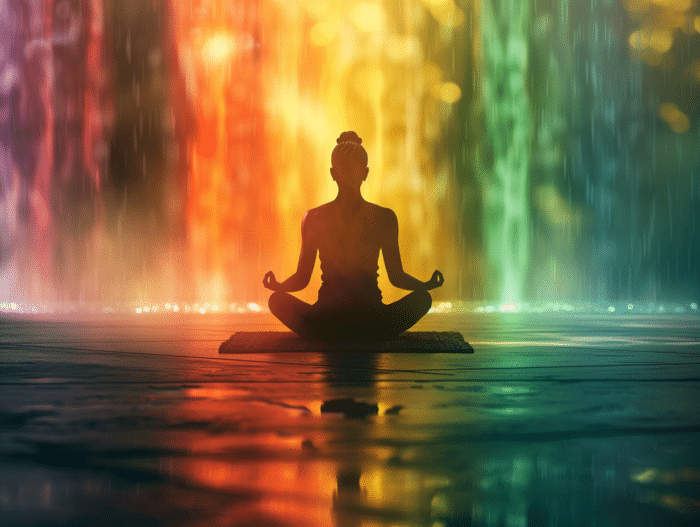
The colors of the aura, according to esoteric beliefs, are perceived as a vibrational manifestation surrounding a person. Each revealed hue is said to mirror their emotions, mental and physical health, as well as their spiritual well-being. Red may indicate a passionate or aggressive nature, while blue would signify a calm and communicative personality. The analysis of aura shades, practiced by some intuitives and healers, serves to illuminate hidden aspects of the self, thus offering a unique perspective on inner state and personal development potential.
The Colors of the Aura and Their Interpretation
The energy field, commonly referred to as aura, that surrounds each individual, comes in a palette of varied colors. These hues, discernible through aura photography or by consulting a practitioner, reflect a broader emotional and mental spectrum. The color of the aura is often associated with chakras, the energy centers of the subtle body, suggesting a correlation between the dominant hue of the aura and the state of internal energies.
For example, a yellow aura may indicate not only a lively and optimistic personality but also a strong connection to the solar plexus chakra, the center of will and personal power. Methods such as the mirror technique or using hands to see the aura rely on concentration and relaxation to allow the observer to access this subtle vision. These techniques, far from being trivial, require a certain mastery and an open mind to correctly interpret the captured nuances.
The diversity of colors, with shades ranging from red, symbolizing vital and passionate energy, to violet, indicative of deep spirituality, reveals a complexity in aura analysis. Practitioners use various tools, such as crystals, pendulums, or color cards, to help decipher this vibrational mosaic. The colors of the aura, as such, influence a person’s perception of their own energies and vibrations, thereby impacting their emotional and mental well-being. However, consider that these practices, despite their symbolic richness, should not be taken as scientific or medical evidence, but rather as guides for introspection and spiritual awakening.
The Implications of Aura Colors on Well-Being and Personality
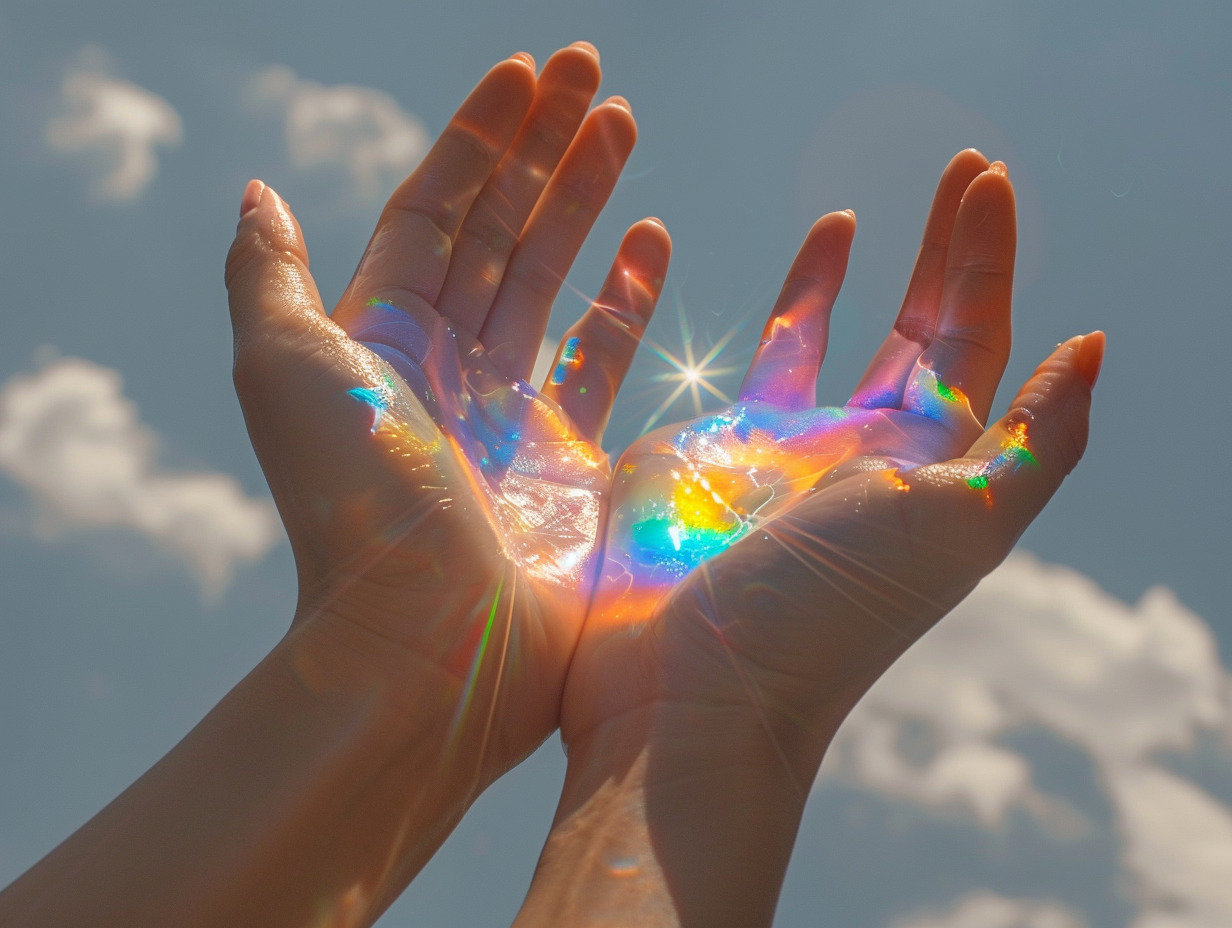
The light spectrum of the aura, this energetic manifestation surrounding the individual, extends far beyond mere chromatic aesthetics. Aura practitioners, equipped with crystals, pendulums, or color cards, decode these hues to reveal their influences on emotional health and mental state. Each dominant color, captured through techniques such as aura photography or direct observation, translates a specific vibration and offers insights into the person’s psyche.
The chakras, these seven energy centers of the subtle body, are closely linked to the colors of the aura. The predominant hue may reflect the state of a specific chakra, such as the heart chakra, associated with green and unconditional love, or the throat chakra, linked to blue and communication. The color associated with each chakra influences its health, resonating with the emotional state and vitality of the person.
The color of the aura can also influence an individual’s perception of their own energies and vibrations, thus playing a role in their overall well-being. An orange aura, for example, suggests dynamism and creativity, while a red aura may indicate raw life force and passion. These colors, resonating with emotions and psyche, can help in understanding and managing one’s own inner states.
Spiritual practices often take into account the perception of aura colors. Follow this path with discernment, as these observations, while they may provide assistance in the quest for awakening and inner harmony, should not be regarded as scientific or medical evidence. Their meanings are more aligned with personal development and a metaphysical understanding of existence.