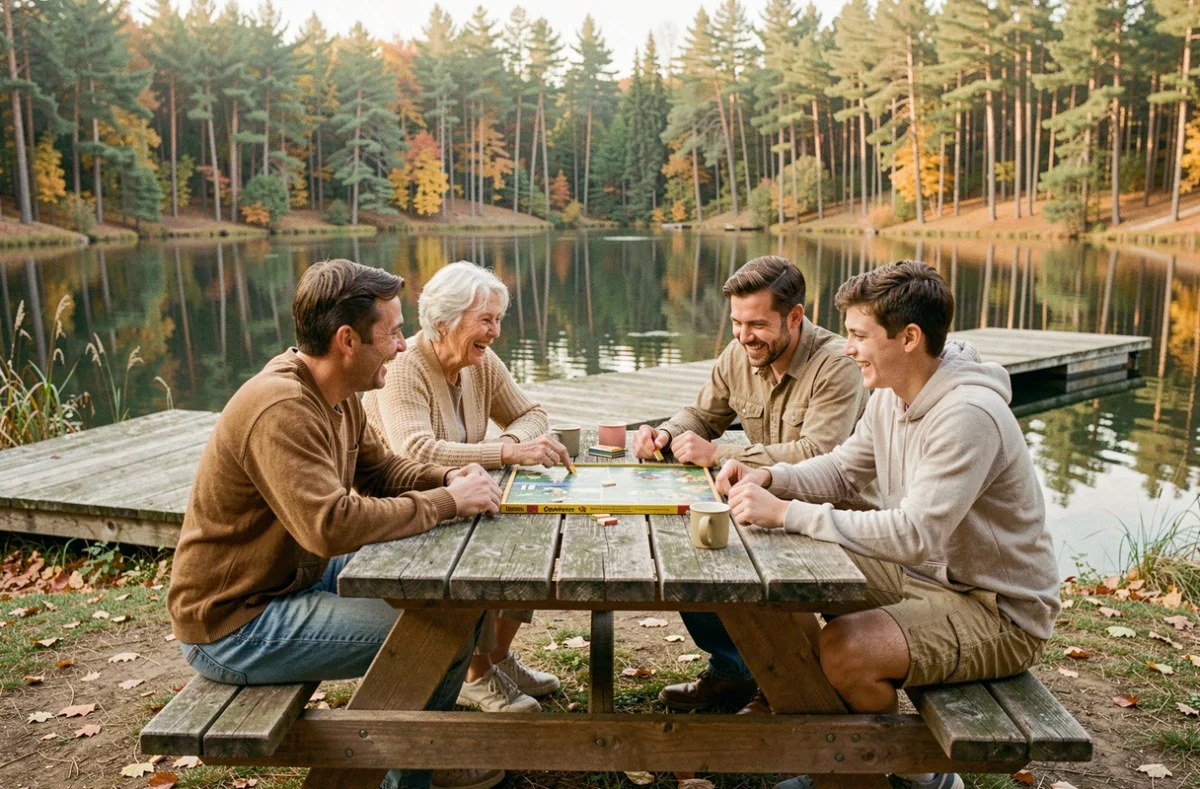
Organizing a trip for multiple people means reconciling sometimes opposing expectations: the pace of children, the sports desires of teenagers, and the need for calm from grandparents. The recent trend towards multigenerational travel is reshaping how groups choose their activities.
According to a 2025 study by the Family Travel Association, 57% of parents were considering a multigenerational trip. This figure reflects a shift: travel among relatives is no longer limited to a postcard destination, but rather a program of activities capable of satisfying three generations simultaneously.
Group Travel Activities: What Multigenerational Demand Changes
In a group that includes children, active adults, and seniors, the choice of an activity often excludes part of the participants. This compatibility issue conditions the entire construction of the program.
The Hilton 2025 Trends Report identifies a growing preference for slow travel and flexible programs. Families are looking for less packed itineraries with breathing time between activities. Specifically, this means that a group of ten people across three generations no longer books five excursions a day, but rather two flexible activities with parallel options.
When browsing activities with 1, 2, 3 … travel, one can see the range of formats offered to meet this flexibility logic. The goal is not to accumulate experiences, but to find those that work for the entire group without turning the trip into a logistical obstacle course.
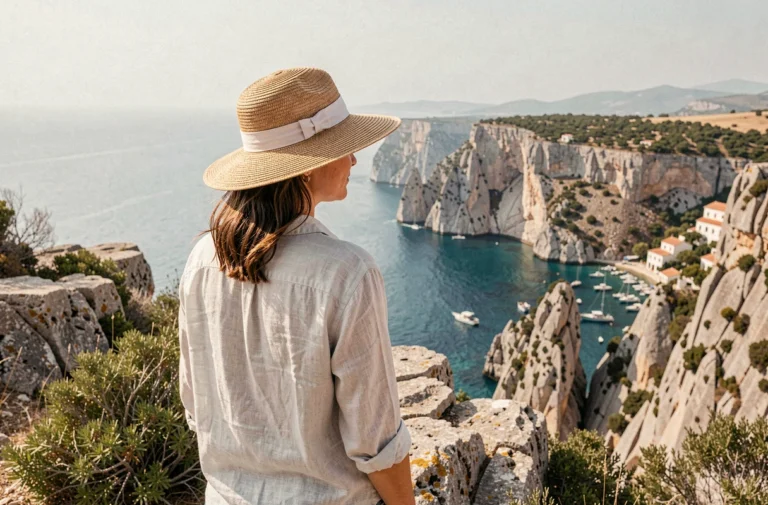
Nature activities (hiking, kayaking, snorkeling) remain the most suitable for this constraint, as they offer varying levels of intensity at the same site. A coastal trail can be fully traversed by the more athletic and only partially by the children or grandparents, without anyone being left out.

Booking Activities While Traveling: Before Departure or On-Site
Improvisation on-site has long been associated with the idea of freedom while on vacation. Recent data nuances this reflex. An analysis published by The Host Report in August 2026, focusing on bookings for experiences in vacation rentals, shows that the majority of activities are booked before the stay.
This trend can be explained by the size of the groups. Booking a local cooking workshop for two people the day before is simple. Doing so for eight or twelve participants requires availability that is rarely guaranteed without prior planning.
What Pre-Booking Changes in Activity Choices
Booking in advance pushes travelers to compare offers earlier in the decision-making process. Field feedback varies on this point: some groups feel that pre-booking rigidifies the stay, while others believe it reduces tensions related to last-minute choices.
- Limited-capacity activities (diving courses, boat excursions, craft workshops) fill up several weeks in advance during peak season, making advance booking almost mandatory for groups.
- Open-access activities (beaches, hiking trails, nature parks) do not require reservations but do require prior verification of access conditions, especially during the summer in protected areas.
- Hybrid activities (guided tours with flexible slots, half-day equipment rentals) offer a compromise between structure and spontaneity, particularly suitable for families with young children.
The choice between these three categories directly depends on the composition of the group. A trip among adult friends allows for more improvisation than a multigenerational stay where any poorly organized slot can lead to frustration.
Criteria for Choosing Family Activities: Accessibility, Pace, and Budget
Three factors consistently emerge from feedback from multigenerational travelers and condition the success of a group outing.
Physical and Cognitive Accessibility
An activity suitable for a family group must be able to accommodate participants of very different physical levels and ages. Snorkeling in shallow water, visiting historical sites with an audio guide, or cycling on flat bike paths meet this criterion. In contrast, via ferrata, high-altitude treks, or technical water sports effectively exclude part of the group.
Management of Daily Pace
The Hilton report emphasizes that parents place particular importance on the specific needs of children and rest times. Planning two activities per day with a long break in between seems to be the most functional format for groups including children under ten. Exceeding this threshold increases the risk of fatigue and conflicts.
Shared Budget Among Participants
The cost of group activities is rarely negotiated uniformly. Some families prefer to pool expenses, while others operate in sub-groups based on preferences. Open-access nature activities (hiking, swimming, picnicking) allow for compensation of paid outings without creating budgetary imbalance within the group.
Travel Activities Among Friends or Family: Formats That Work in Europe
Europe has a high density of activities compatible with the constraints of mixed groups. A few formats stand out for their ability to bring together varied profiles around the same experience.
- Coastal hikes in Croatia or Sardinia combine accessible walking, swimming, and village exploration, without requiring specific equipment or reservations.
- Biking circuits on greenways (France, Netherlands, Denmark) allow for adapting the daily distance to the group’s pace, with frequent stops in towns or natural sites.
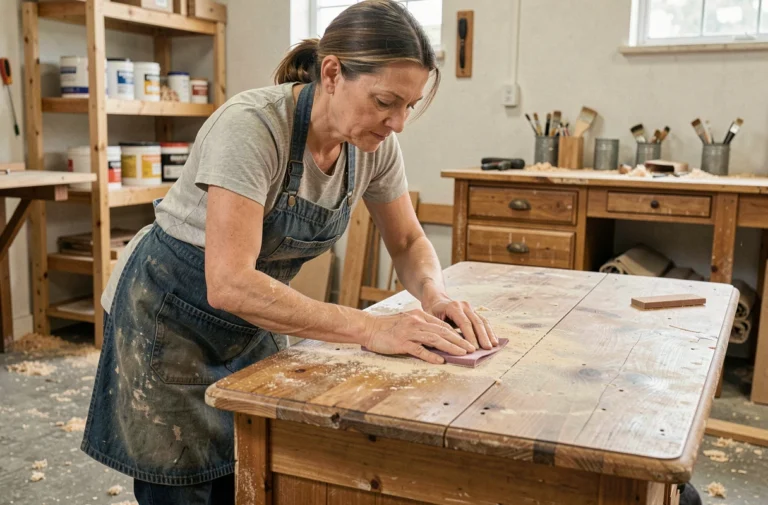
- Cultural immersion workshops (local cooking, pottery, artisanal fishing) offer a shared experience independent of athletic level, particularly appreciated in multigenerational travel.
The available data does not allow for ranking these formats by overall satisfaction. Each group composes its program according to its own balances. In practice, the highest-rated stays by travelers include at least one activity shared by all group participants each day.